
A Different Kind of Investor
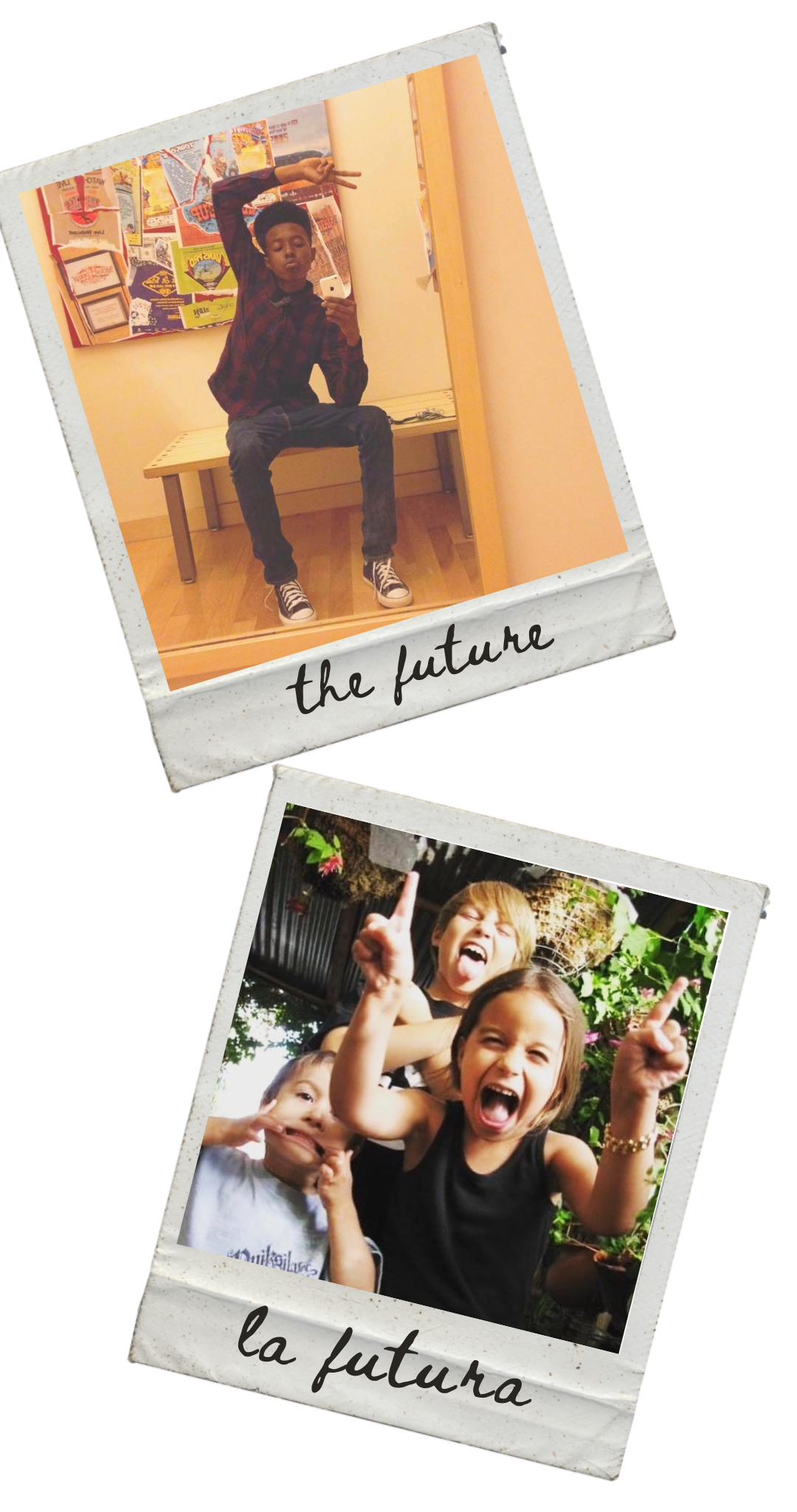
Why OUR YOUTH
Represent the Future
We Said We Were Building
There’s something powerful about the first yes.
Not the loud, headline-making kind.
The quiet one. The early one. The one that happens before anything is proven. When all you really have is vision, trust, and a shared memory of what you once believed was possible.
For us, that first yes’ came from our children.
A Different Kind of Investor
Students are not what people expect when they hear “investor.”
Young. Observant. Still forming their own paths.
But what makes their roles extraordinary isn’t his age: it’s his proximity to the origin of the idea itself.
My closest friend and my co-inventor in every sense that matters. A trauma therapist based in Pasadena, California. The person I sat with in high school, long before titles, long before organizations, long before any of this had language.
Back then, we weren’t “founders.”
We were just two people trying to make sense of systems that didn’t make sense.
We talked about:
Why some communities never seemed to recover
Why access felt designed, not accidental
Why healing and infrastructure were always separated
And what it would look like if they weren’t
We didn’t call it an algorithm.
We didn’t call it a model.
We didn’t call it anything.
But we were building it.
Before We Became “Us”
There’s a version of life before you become who the world recognizes.
Before the language sharpens.
Before the work gets named.
Before people call you an innovator, a strategist, a founder.
That’s where this began
In Imperial and now Pasadena. In conversations shaped by lived experience, by trauma, by curiosity, by care. In a friendship that wasn’t about business, but about understanding what was broken and refusing to accept it as permanent.
We grew up too fast.
We were young, but we weren’t unaware.
And now, years later, the ideas we carried quietly have taken form through equity-centered systems, infrastructure design, and a protective economy that refuses to leave people behind.
The Bridge Between Generations
And then came our kids:
Not as outsiders.
Not as someone “buying in.”
But as someone who grew up in the proximity of these ideas.
Who watched. Who listened. Who absorbed.
Their investment is not just financial:
it’s generational.
It is the first signal that what we built wasn’t just ours.
It was transferable. It was teachable. It was felt.
Because the truth is:
The future doesn’t belong to the people who started the work.
It belongs to the people who understand it deeply enough to carry it forward and reshape it in ways we never could.
Future generations represents that shift.
Redefining Ownership
In traditional systems, investment is about return.
But this is different.
This is about:
Trust passed between families
Ideas carried across time
Systems designed not just to scale but to belong
Their roles reframe what ownership looks like.
Not extraction.
Not distance.
But proximity, relationship, and belief.
It asks a different question:
What happens when the people closest to the origin of an idea are the first to invest in its future?
A Full Circle Moment
There’s something deeply human about this moment.
A trauma therapist who helped shape the earliest thinking.
A high school conversation that never really ended.
Those who step in not just as witness, but as participant.
This is not coincidence.
This is continuity.
It’s what it looks like when healing, innovation, and family are not separate tracks—but part of the same system.
The Future Is Already Here
We spend a lot of time talking about
“the next generation” like it’s something distant.
It’s not.
They’re already here. Watching. Deciding. Choosing what to believe in.
And when they choose to invest not just money, but trust: it changes the trajectory of everything.
They become proof that the work we started long ago didn’t end with us.
It evolved.
And now, it continues through him, and through a generation that won’t just inherit systems…
They will rebuild them.
