
DOLORES HUERTA
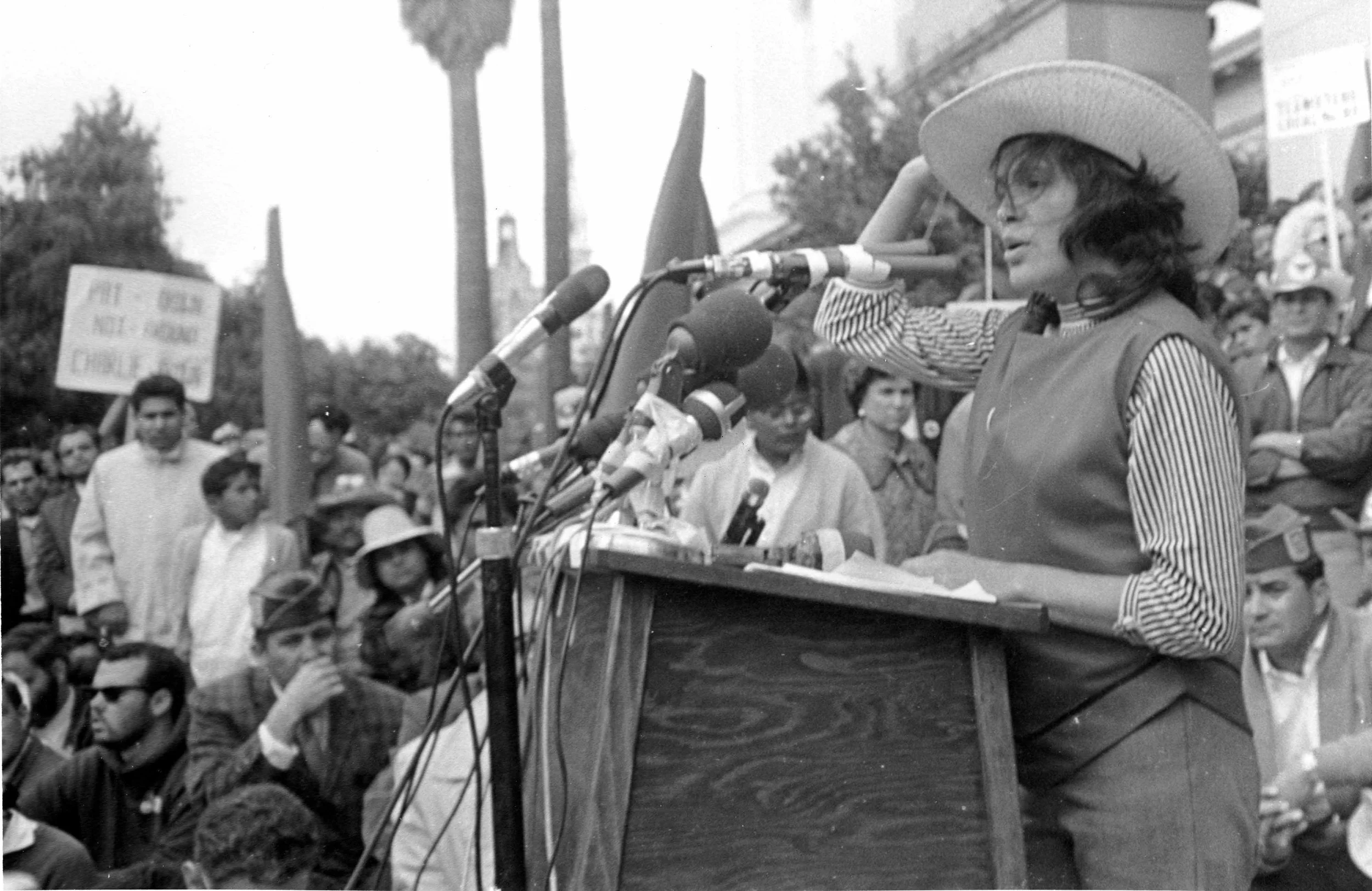
A BUILDER. NOT JUST A LEADER.
Before hashtags, before institutional diversity frameworks, before “equity” became a line item.
“DOLORES HUERTA WAS BUILDING SYSTEMS OF POWER FROM THE GROUND UP”
In 1962, alongside Cesar Chavez: She founded the United Farm Workers (UFW). But what often gets overlooked is how SHE BUILT IT:
She negotiated contracts that fundamentally shifted labor conditions for farmworkers
She designed organizing strategies rooted in community trust: not extraction
She transformed protest into policy leverage
Her most famous phrase, “Sí, se puede” (“Yes, it can be done”), wasn’t just a chant. It became infrastructure: a psychological and cultural framework that allowed marginalized communities to see themselves as agents of change.
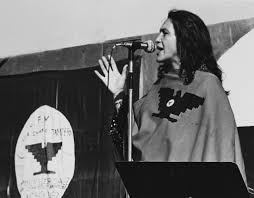
The Blueprint: Movement as Infrastructure
Huerta didn’t just fight injustice…
She engineered pathways around it.
Her work sits at the intersection of:
Labor rights
Gender equity
Immigration justice
Civic participation
And what makes her a true builder is this:
She understood that change requires systems, not moments.
Through the UFW and later the Dolores Huerta Foundation, she helped create:
Grassroots organizing pipelines
Leadership development models for women and youth
Civic engagement systems that turn voters into long-term participants
This is not advocacy as performance. This is advocacy as design.
What Today’s Press Still Gets Right and Misses
Recent press coverage (including today’s media cycle around her continued appearances and honors) highlights:
Her longevity and continued public presence
Her role as a co-founder of a historic labor movement
Her iconic status in civil rights history
All true.
But what often gets flattened is her role as a systems architect.
Huerta wasn’t just “alongside” movements, she was structuring them:
Negotiating directly with power brokers
Translating grassroots energy into enforceable agreements
Embedding equity into operational frameworks long before it was named
Distinction matters.
ESPECIALLY NOW.
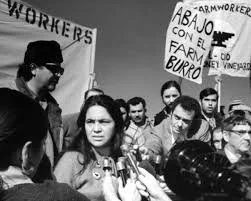
Why Dolores Huerta Still Matters in 2026
We are living in a moment where:
“Community engagement” is often transactional
“Equity” is often performative
“Impact” is often short-term
Huerta’s life work offers a different model:
Build with people, not on top of them.
Design for longevity, not visibility.
Anchor power in community, not institutions.
Her approach mirrors what many are now trying to articulate in modern terms:
Collective impact
Participatory design
Community-owned infrastructure
She was doing all of this—decades ago.
The Real Legacy: A Living System
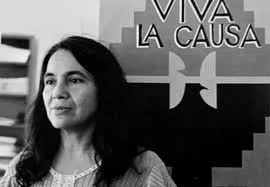
Dolores Huerta’s greatest accomplishment isn’t a single protest, law, or speech.
It’s the replicable model of organized, community-driven power she leaves behind.
You can see her influence in:
Worker cooperatives
Civic tech platforms
Grassroots mutual aid networks
Youth-led organizing movements
Her work proves something essential:
Movements don’t scale because of attention.
They scale because someone designed them to.
Dolores Huerta didn’t just demand a better world, she helped build the mechanisms to make one possible.
And at 95, she is still reminding us:
¡SÍ!
¡SE!
¡PUEDE!
