
Dreamland Was Infrastructure
Black History Month = TULSA Series | Part 1/5
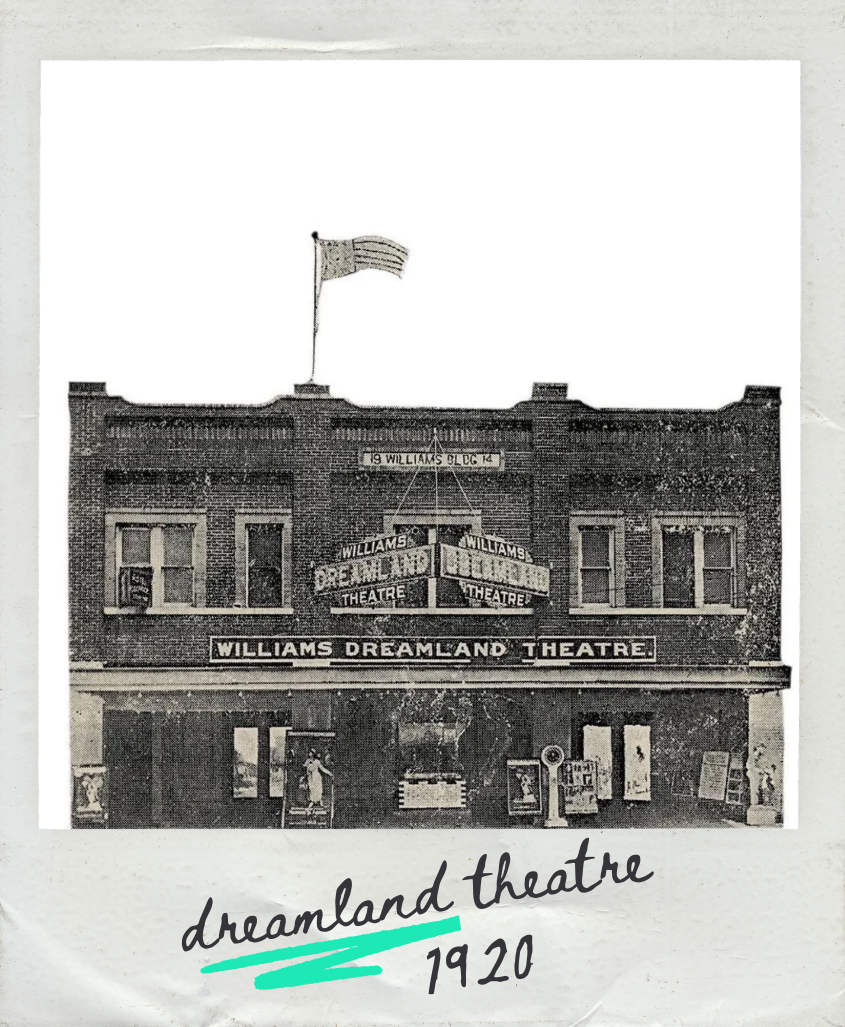
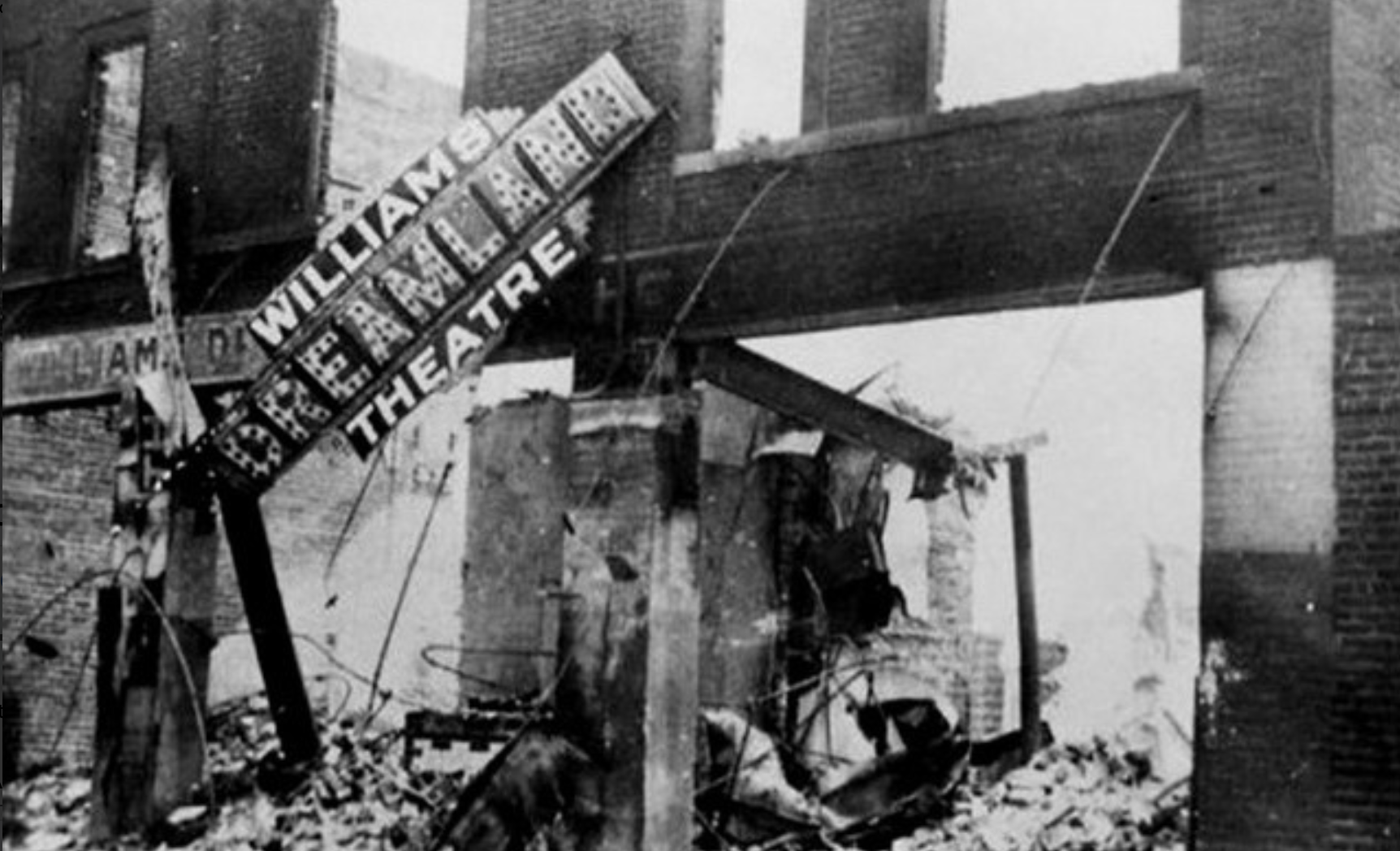
Built in 1914 by Loula and John Williams—two of Greenwood’s most formidable entrepreneurs—the Dreamland Theatre was not merely entertainment. It was a declaration of Black ownership, cultural power, and cooperative economics. On May 31, 1921, it was burned during the Tulsa Race Massacre.
The Dreamland Theatre was never just a building
It was infrastructure
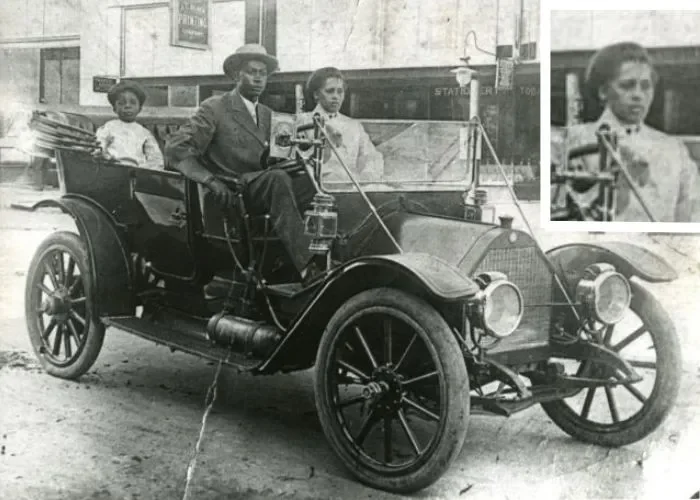
LOULA WILLIAMS: The Woman Who Built Dreamland Theatre
Black Wall Street Times | April 29, 2022
When it opened in 1914 in Tulsa’s Greenwood District, known nationally as Black Wall Street. It was far more than a silent film house. It was a node in a self-sustaining economic ecosystem. A signal tower of possibility. A cultural anchor embedded within a dense network of Black doctors, grocers, hoteliers, attorneys, educators, and entrepreneurs who were circulating capital internally long before economists coined terms like “cooperative ownership” or “community wealth-building.”
Greenwood was not charity-dependent. It was capitalized by trust, talent, and local investment. Dollars moved through barbershops, pharmacies, banks, theaters, and boarding houses before leaving the neighborhood, if they left at all.
Dreamland functioned as both gathering space and multiplier. Every ticket reinforced a wealth loop. Every performance strengthened identity. Every crowd generated social capital; the invisible asset that stabilizes communities.
This was not accidental prosperity
It was engineered
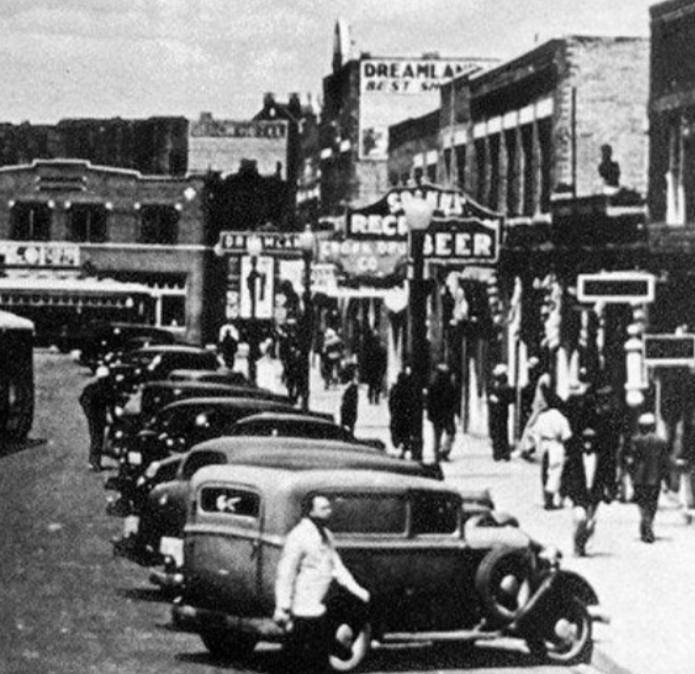
THE NEW YORK TIMES | How Greenwood Grew a Thriving Black Economy
May 26, 2023
Greenwood spanned 35 blocks and represented one of the most concentrated examples of Black economic self-determination in the United States. Its density mattered. Its walkability mattered. Its ownership structure mattered.
The Dreamland Theatre stood at the intersection of culture and commerce. It proved something profound:
Joy is not separate from economics
It is part of the engine
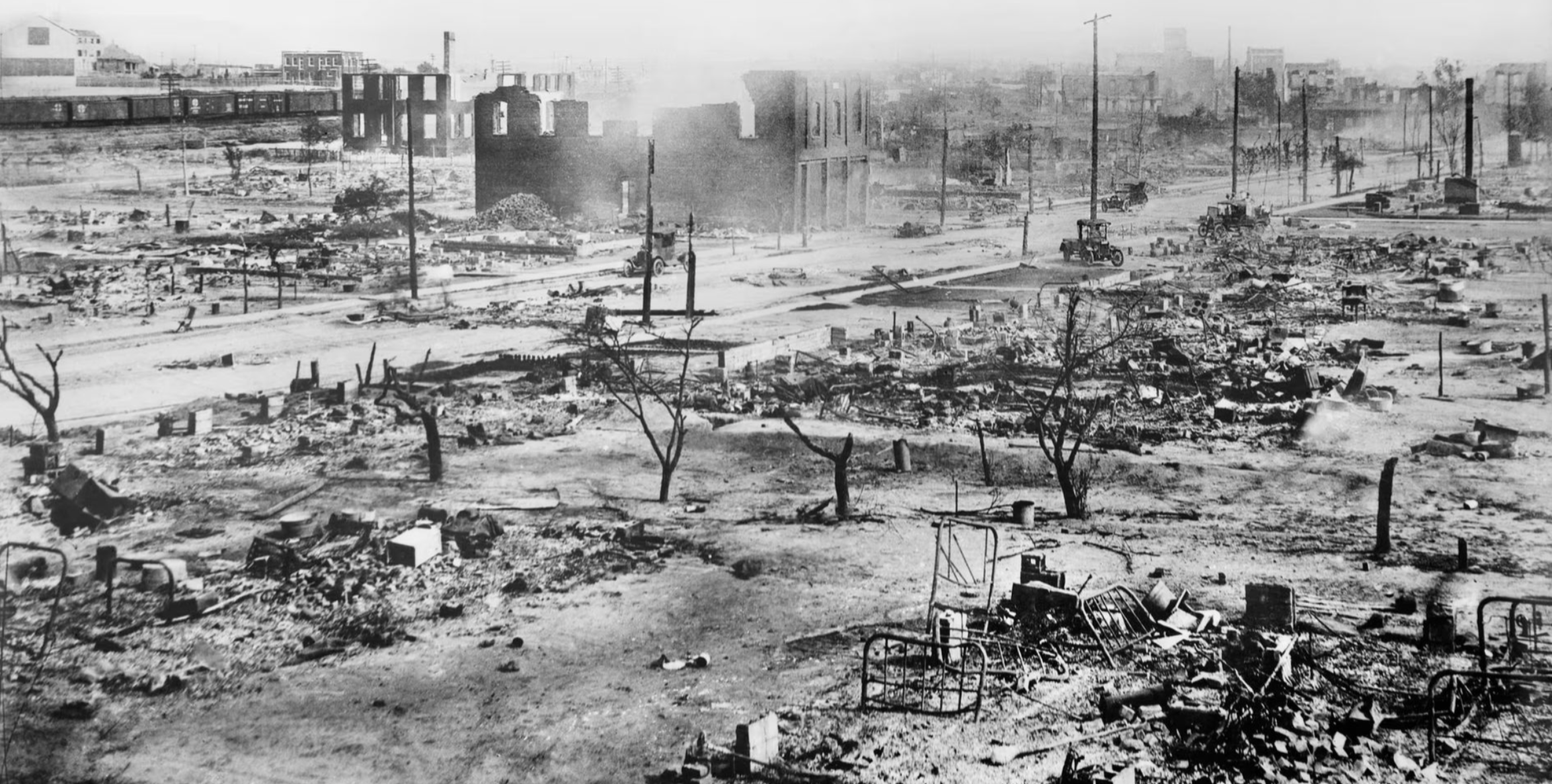
EQUAL JUSTICE INITIATIVE | Justice Department Finds Tulsa Massacre Was a “Coordinated, Military-Style Attack” January 13, 2025
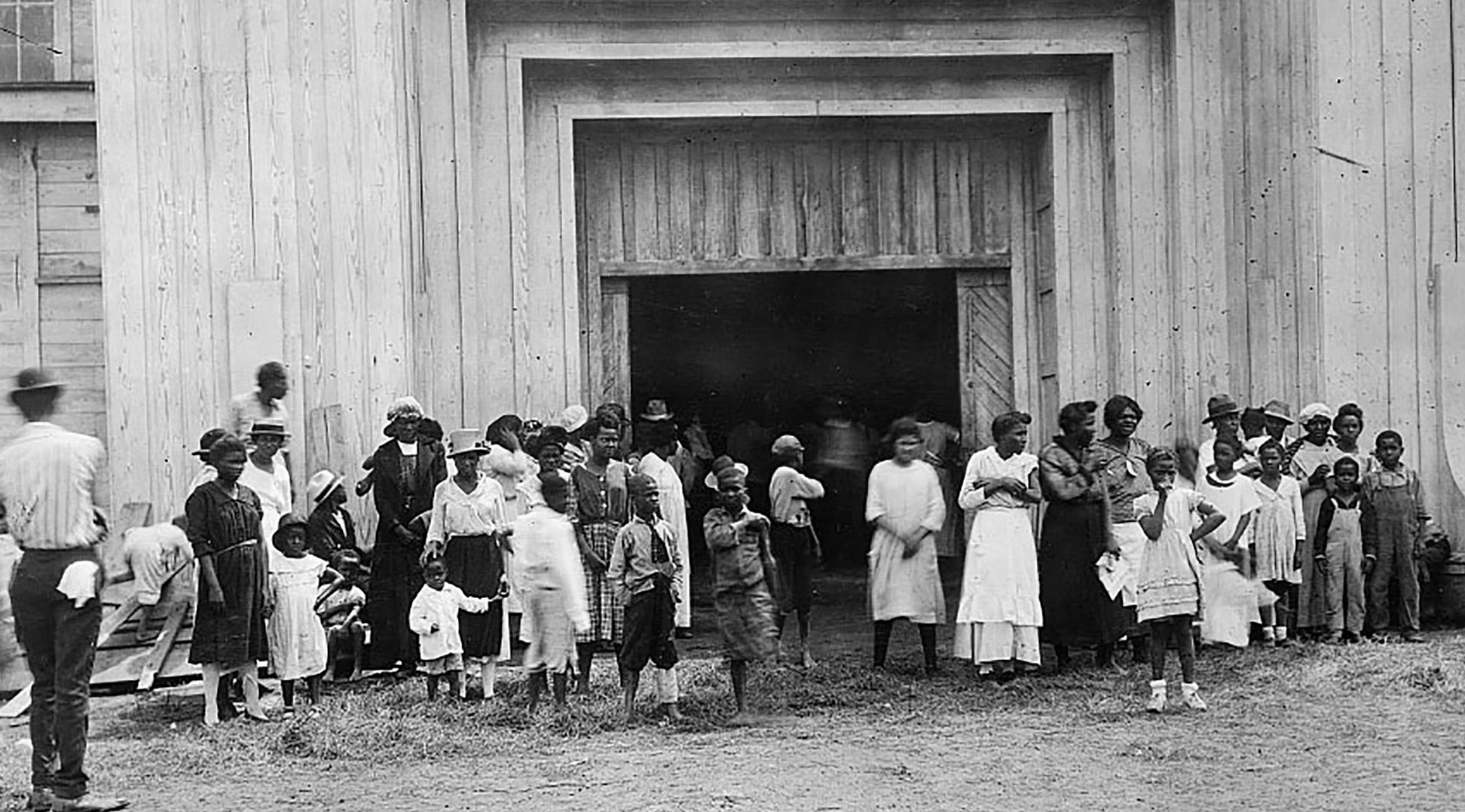
On May 31–June 1, 1921, the Tulsa Race Massacre turned Greenwood into an inferno. Homes, businesses, and institutions burned block by block. Multiple hundreds murdered. Over eight hundred seriously injured. Over ten thousand were displaced… homes destroyed. Generational wealth was erased in hours, through coordinated white mob violence enabled by systems that treated Black prosperity as a threat.
This was not random chaos. It was racial terror with infrastructure behind it: organized networks, Ku Klux Klan influence, civic complicity, and the kind of sanctioned impunity that allowed destruction to unfold in plain sight. The same ideology that organized the violence worked afterward to shape policy; turning hate into planning and destruction into bureaucracy.
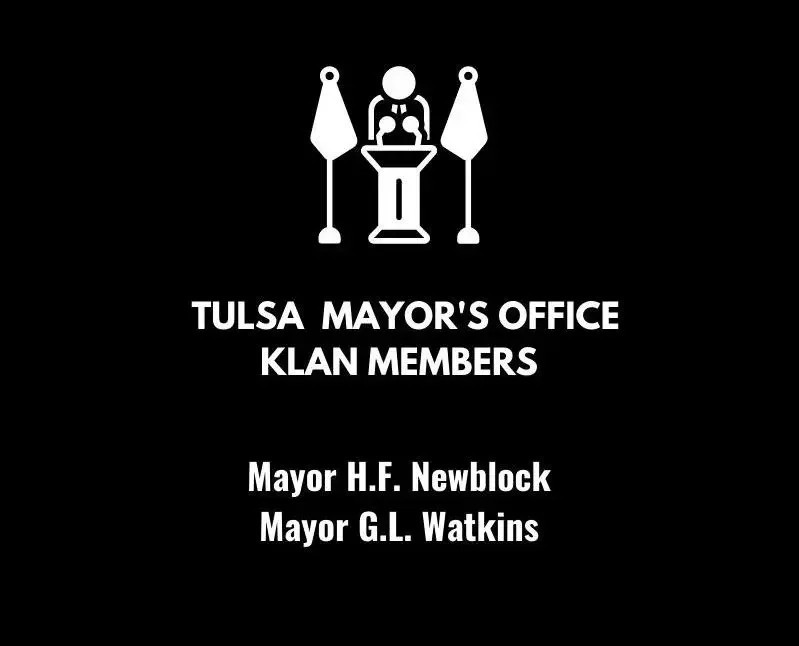
BLACK WALL STREET TIMES | The City of Tulsa Was the Klan and Mob in the 1921 Race Massacre
April 29, 2022
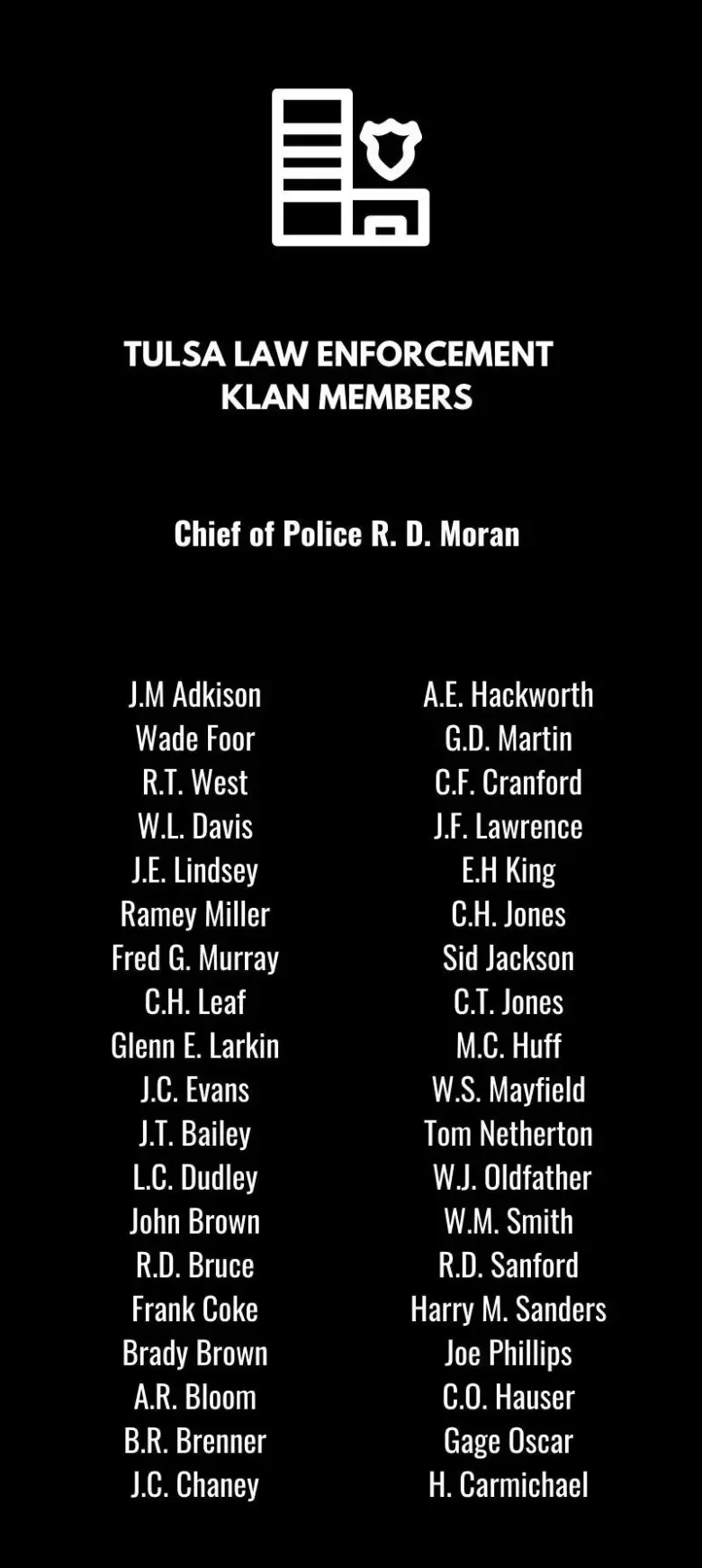
NATIONAL ENDOWMENT FOR THE HUMANITIES | What Happened to Black Wall Street
April 29, 2022
Image: Black Wall Street Times
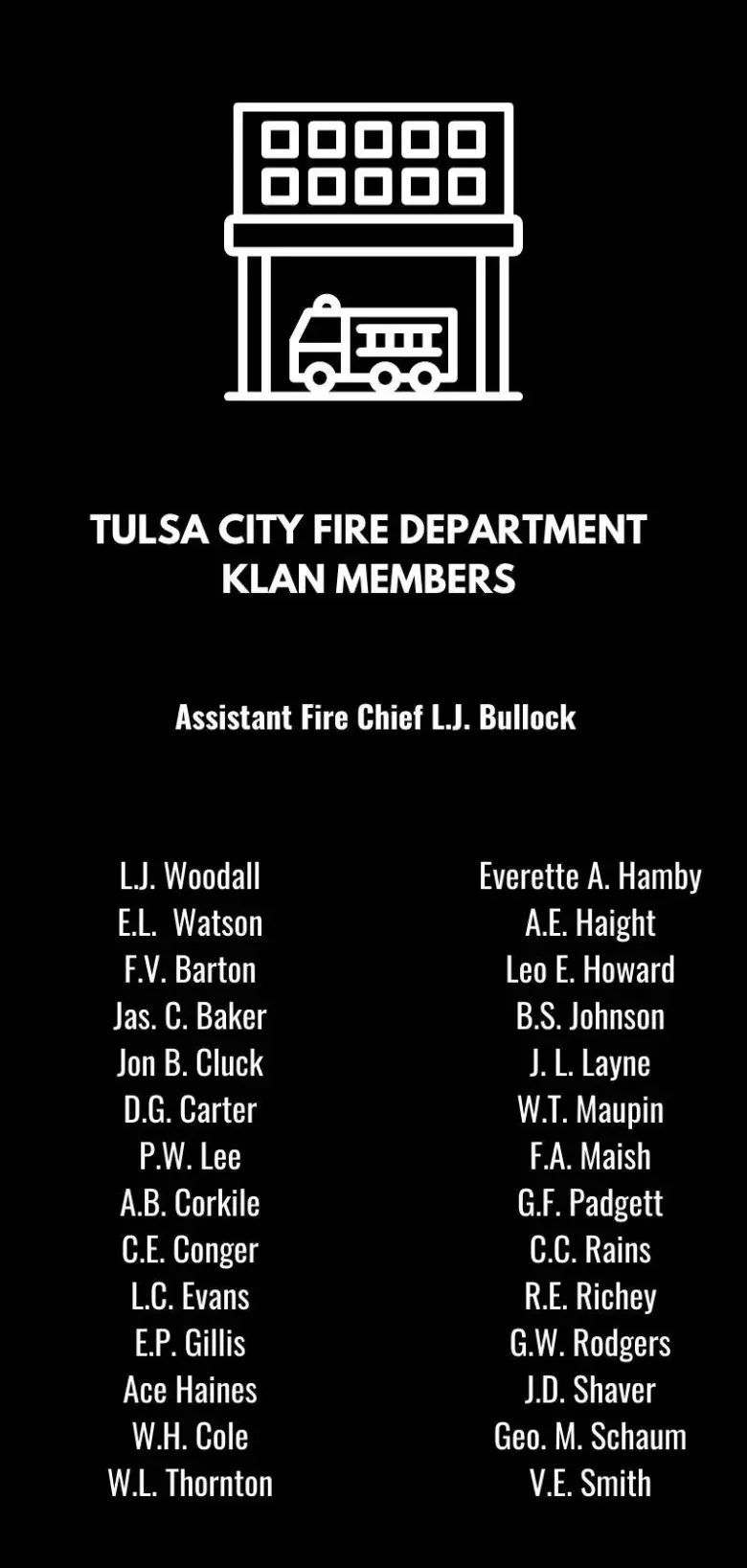
DEPARTMENT OF JUSTICE | CIVIL RIGHTS DIVISION - Review and Evaluation Tulsa Race Massacre | January 9, 2025
Image: Black Wall Street Times
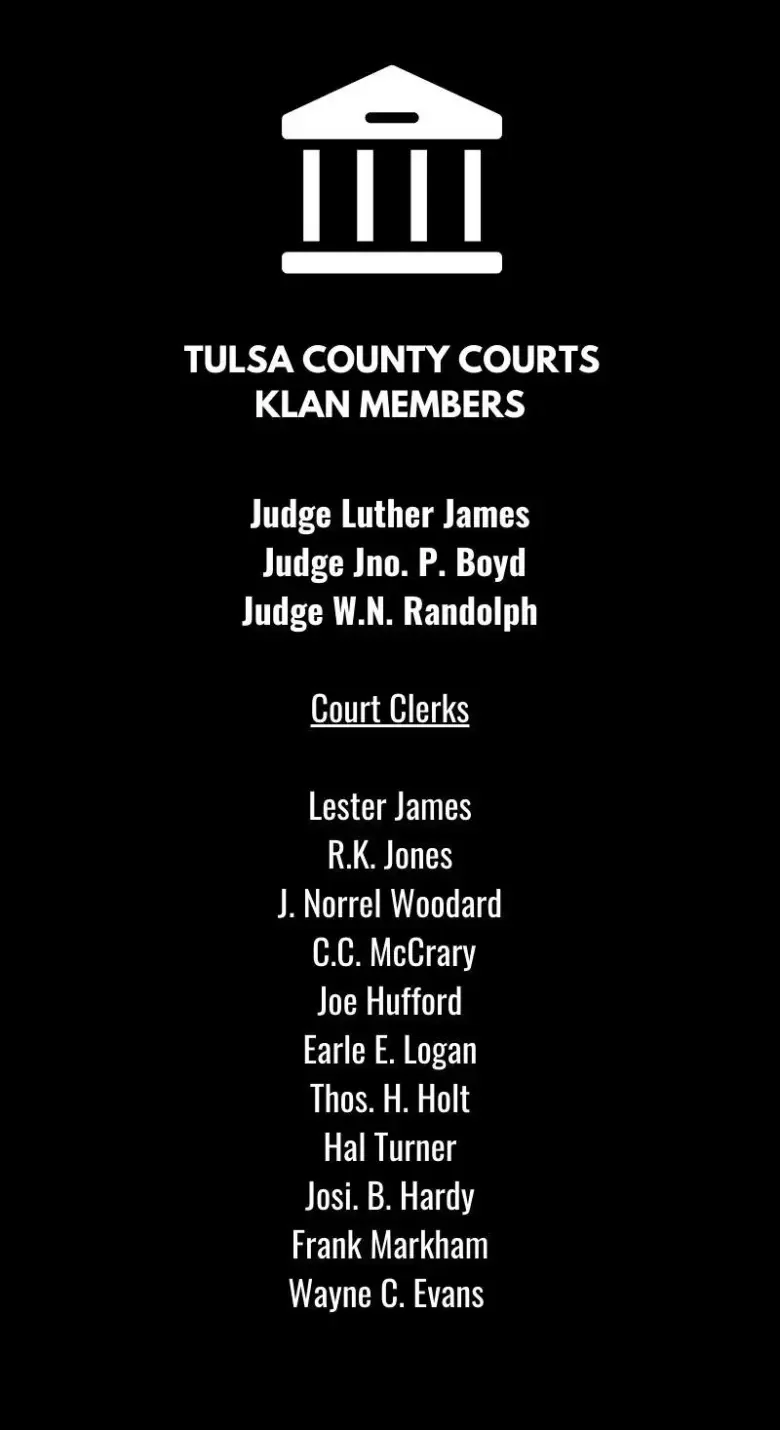
THE FRONTIER | The White Knight Vigilantes: Exposing the Founders of Tulsa’s KKK
May 8, 2016
Image: Black Wall Street Times
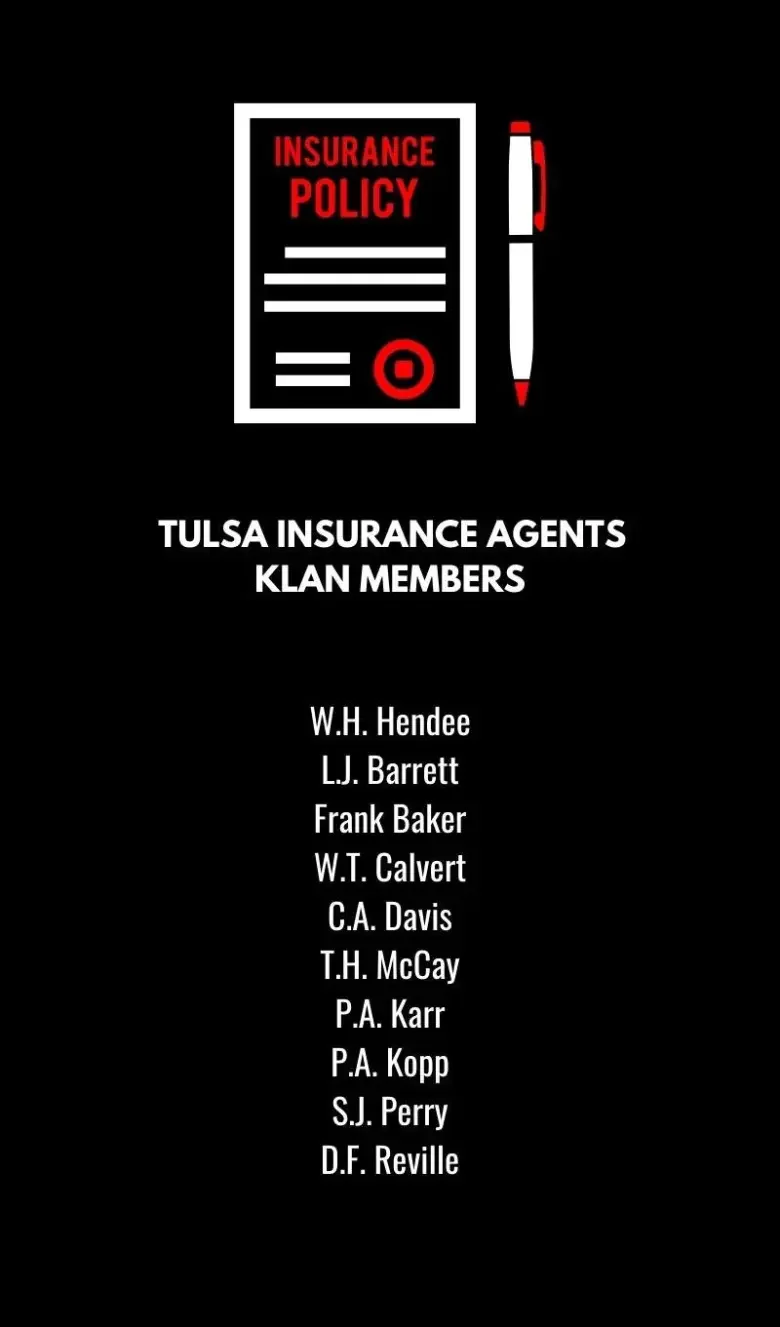
THE AFRICAN AMERICAN INTELLECTUAL HISTORY SOCIETY | Black Wall Street, Collective Memory, and Reparations | June 4, 2021
Image: Black Wall Street Times
But here is what history often flattens:
The massacre did not destroy a fragile neighborhood.
It interrupted a functioning economic system.
The destruction of Dreamland was not simply symbolic violence. It was structural disruption. Property deeds changed hands. Capital flows fractured. Lending patterns hardened. In the decades that followed, policy decisions—redlining, highway placement, zoning manipulation—further altered the physical and financial architecture of the district.
When we talk about Dreamland
we are not talking about nostalgia

ARKANSAS DEMOCRAT GAZETTE | O.W. Gurley and Black Wall Street | June 19, 2023
Left to right: Williams, Phillips, Esta "Essie" A. Loupe, Reverend E. N. Bryant, Horace T. Hughes, and McLean. The men kneeling include the following (left to right): Perry R. Russell, Ottaway W. Gurley, Bush, and Tucker Gilmer.
Image: Tulsa Historical Society & Museum
We are studying a model.
Before community development was a profession, Greenwood was practicing it.
Before equity became a framework, it was being lived.
Dreamland was cinema.
But it was also thesis.
If it existed once, it can exist again.
Why I’m Writing This
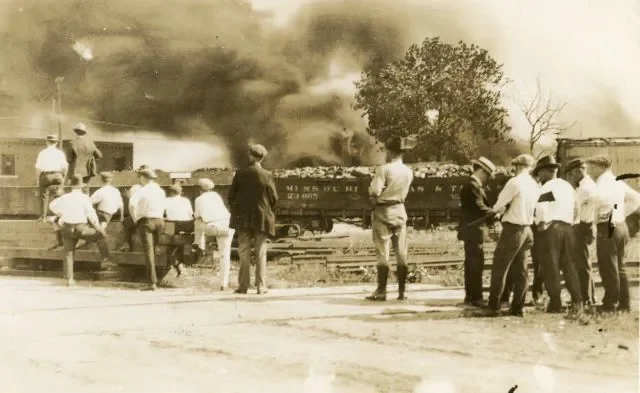
RUN IT BACK | What The White Folks Know | January 15, 2021
I first came to Tulsa four years ago to research equity modeling and effective altruism. I was trying to understand how systems distribute opportunity, and how place shapes outcomes. I expected data.
I found something far bigger
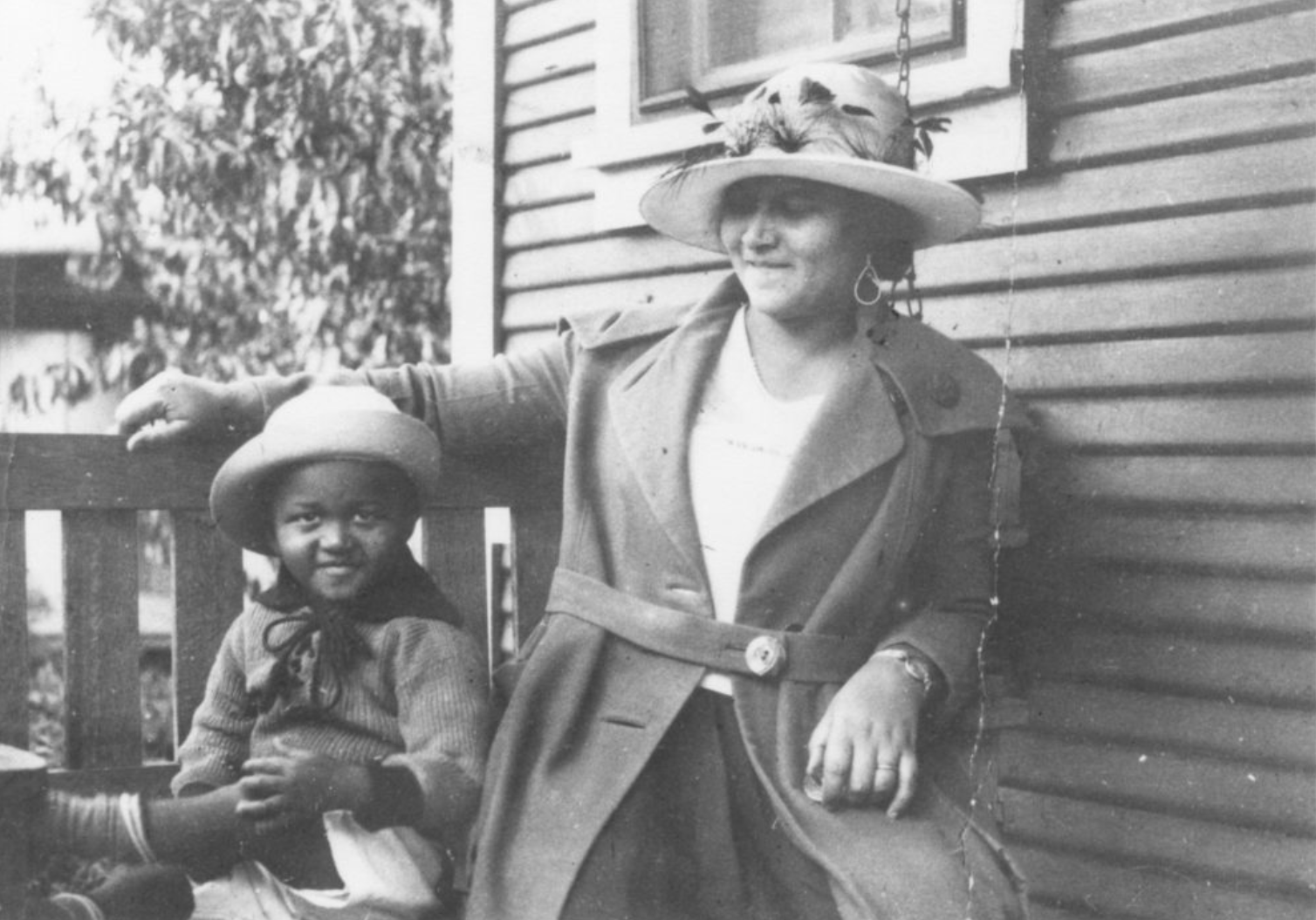
PBS | Tulsa Race Massacre: What You Didn’t Learn in History Class | June 10, 2021
People trusted me with stories they don’t hand to strangers. The kind of stories you only share when you feel safe enough to be fully seen. Those conversations pushed me deeper, back into datasets, root cause analysis, and the work of translating lived experience into systems people can’t ignore.
Over and over, I heard the same word used to describe North Tulsa and Greenwood: “resilient.” I’ve heard it hundreds of times. And I’ve grown to cringe when it’s said casually, like a compliment.
Because too often, “resilient” gets used as a cop-out. A way to admire survival while excusing the conditions that require survival. People call communities resilient when kids are bullied and told it will “toughen them up.” When women’s pain is minimized in medical settings. When exploitation is reframed as grit. Words matter. Validation matters. Being respected for your lived experience matters.
So I don’t use “resilient” anymore
I use strength
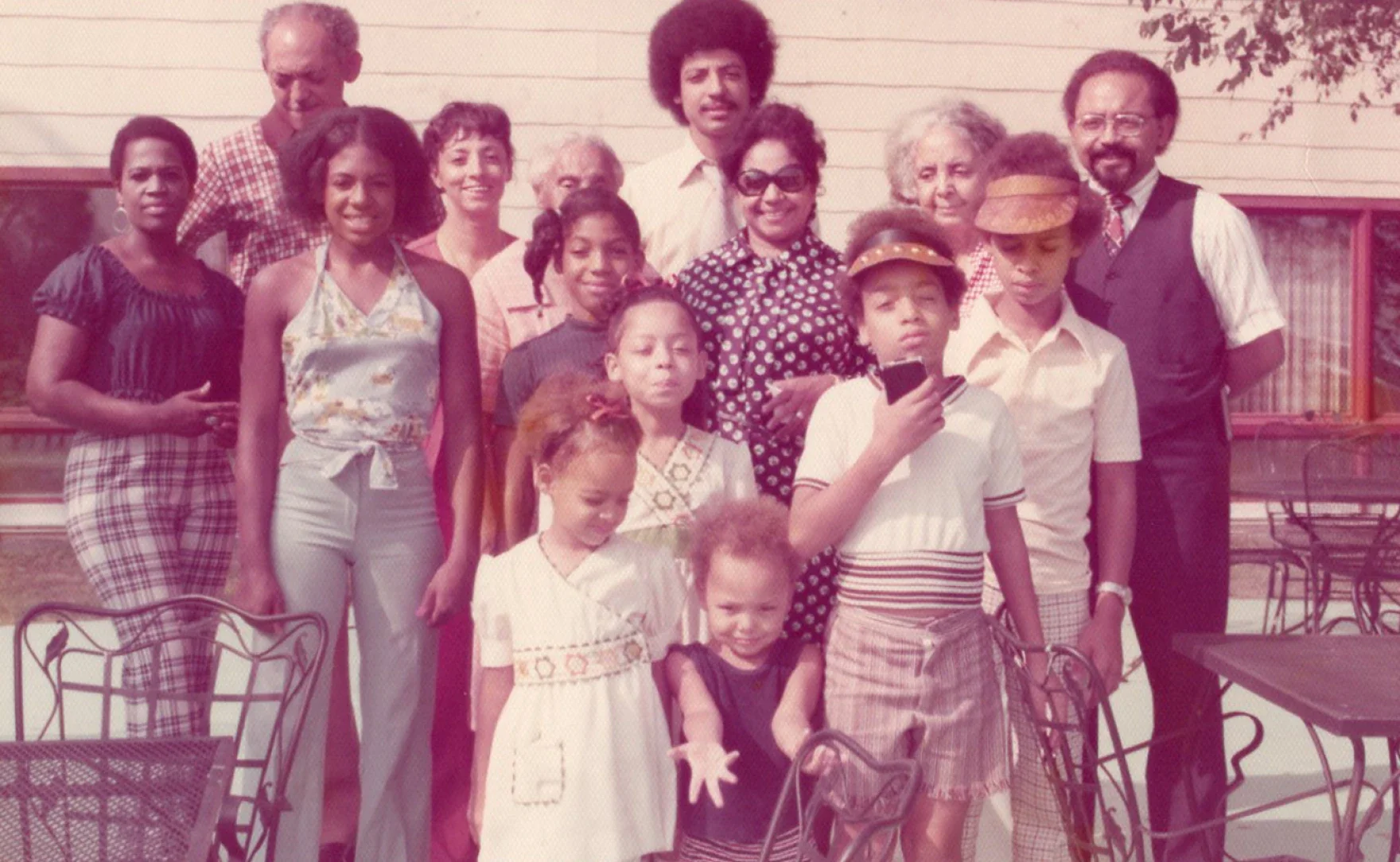
NPR NEWS | The Tulsa Race Massacre is Recounted Through Family Memories in 'Built from the Fire' | The Goodwin family, including Regina Goodwin, in a 1970s photo | June 10, 2023
All the women and men I know who mentor kids, who run open gym, play basketball with young ones who just need someone to believe in them; don’t do it for a paycheck. They don’t receive one. They do it because community once carried them. Because they remember what it felt like to be overlooked. Because survival taught them something that systems don’t measure: the compounding power of kindness, consistency, and having someone to lean on.
That’s why I use strength. Because strength acknowledges power and tells the truth about what people are carrying.
Strength is the mothers and neighbors I’ve seen here; women freely opening their homes to children who aren’t theirs, because a single mom next door can’t afford childcare when the cost per hour is more than she earns.
Strength is community elders forming a federal credit union; not as a slogan, but as protection. A way to shield families from predatory loans, build collective security, and create access to growth tools like fair credit, savings pathways, and financial literacy.
Strength is the quiet mutual aid you don’t see on press releases: rides to work, shared groceries, job leads texted at midnight, someone showing up to a school meeting because a parent can’t miss another shift.
And strength is the people I know caring for their parents at end stage; working through grief in real time, carrying stress that doesn’t clock out, because they can still see the light in their mother’s eyes even when they know they won’t have her much longer. That is community care at its most intimate: devotion without applause, love without leverage.
People talk about “legacy” like it only means wealth and prosperity. I see it differently. I see legacy in care; care that keeps households standing, keeps children safe, keeps elders honored, and keeps a community alive when the systems around it make survival harder than it ever needed to be.
Strength forces us to name what’s actually happening, so we don’t romanticize hardship, and we don’t praise people for enduring what we should be organized enough to prevent.
And some of what I’ve learned here
made me angry
THE OKLAHOMA COUNCIL OF PUBLIC AFFAIRS | Group accused of funneling foreign money involved in Oklahoma minimum-wage campaign | February 10, 2026
Oklahoma’s minimum wage is $7.25. For tipped workers, it can be $2.13 a hour before tips. I came from California: often labeled overregulated, over-lawyered, too “social” in its policies. But what I see in too many places here isn’t freedom. It’s oppression dressed as normal. It’s wage theft. It’s people getting taken advantage of because they’re called “resilient.”
I’m saying: no.
Tulsa is better than that
THE ATLANTIC | How The Tulsa Race Massacre Caused Decades of Harm | May 24, 2021
The people here want better. And as an infrastructure designer and community development practitioner, I’ve seen what change looks like in under-resourced regions: from border communities to farming towns. Tulsa deserves that same level of seriousness and protection.
I also came here for something more personal: to study my own roots. To understand my own root cause. The strongest women in my family were born and raised in Oklahoma, Arkansas, and Texas. Every one of them came from poverty, as did I.
I will never claim to understand what it is to not be white in America. I do acknowledge the privilege I was born into. But I do know poverty. I’ve lived it. I’ve studied it my whole life… through survival, through imagination, through the ache of dreaming of safety.
Some things you don’t just learn
You feel them in your bones
PUBLIC RADIO TULSA | Crowdfunding Campaign Aims to Deliver House to 1921 Race Massacre Survivor | August 19, 2025
That is why I’ve made Tulsa my home.
This series isn’t nostalgia.
It’s structural literacy, and a commitment to designing safeguards strong enough to match Greenwood’s strength.
Prosperity starts with place
And place must be protected
And that is where this series begins.
COMMUNITY CARE
⚫️ Viola “Mother” Fletcher
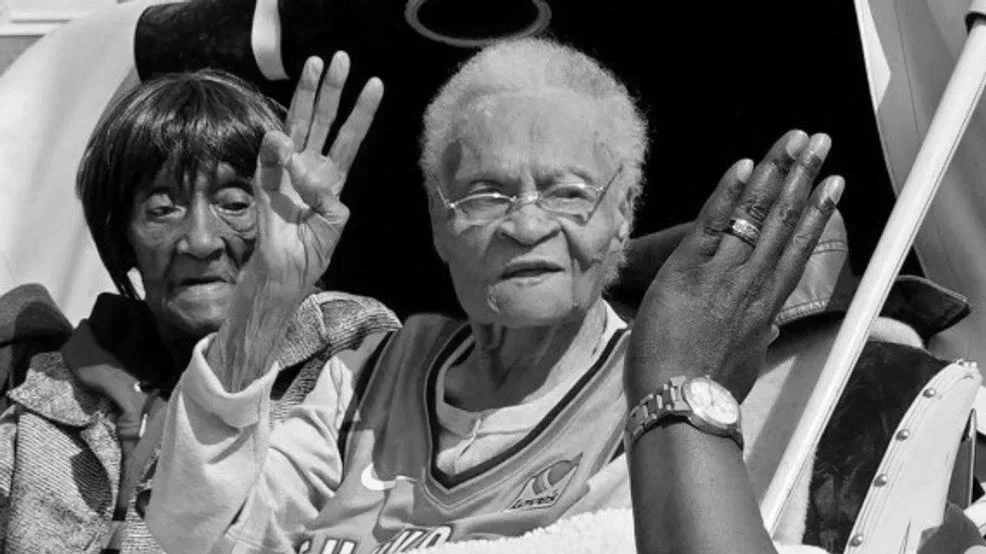
Viola “Mother” Fletcher survived the burning of Greenwood as a child and spent more than a century carrying the truth of what was taken. In 2025, a grassroots campaign called “A Home to Inherit” set out to raise $1 million to purchase or build a permanent home she could pass down to her multi-generational family; a tangible act of dignity and legacy after generations of stolen wealth.
At age 111, Mother Fletcher left this earth on November 24, 2025, before that goal could be fully realized.
But the mission didn’t expire with her. If anything, it sharpened: finish what she deserved to see; because “inheritance” should not be a dream deferred for Greenwood families. Supporting this effort is one concrete way to turn remembrance into repair and to invest in the living descendants of history, not just the telling of it. LEARN HOW YOU CAN SUPPORT
Reparations delayed
should not mean
inheritance denied
⚫️ North Tulsa Community Federal Credit Union
North Tulsa Community Federal Credit Union (NTCFCU) is becoming more than a financial institution; it’s a protective structure built from within the community. In neighborhoods long targeted by predatory lending and extractive financial practices, NTCFCU exists to keep capital circulating locally, to provide fair access to credit, and to equip families with the tools to build lasting stability.
Community credit unions are acts of economic self-determination. They turn deposits into local loans. They replace payday traps with financial literacy. They offer dignity where traditional systems have often offered denial.
Supporting NTCFCU is not charity, it is infrastructure investment. It is mutual aid scaled through governance. It is a commitment to ensuring that Greenwood and North Tulsa families have access to growth capital, homeownership pathways, small business lending, and intergenerational wealth protection.
If we believe prosperity starts with place, then we must strengthen the institutions that protect that place. Support NTCFCU. Keep capital local. Build what cannot be easily extracted. LEARN HOW YOU CAN SUPPORT
